
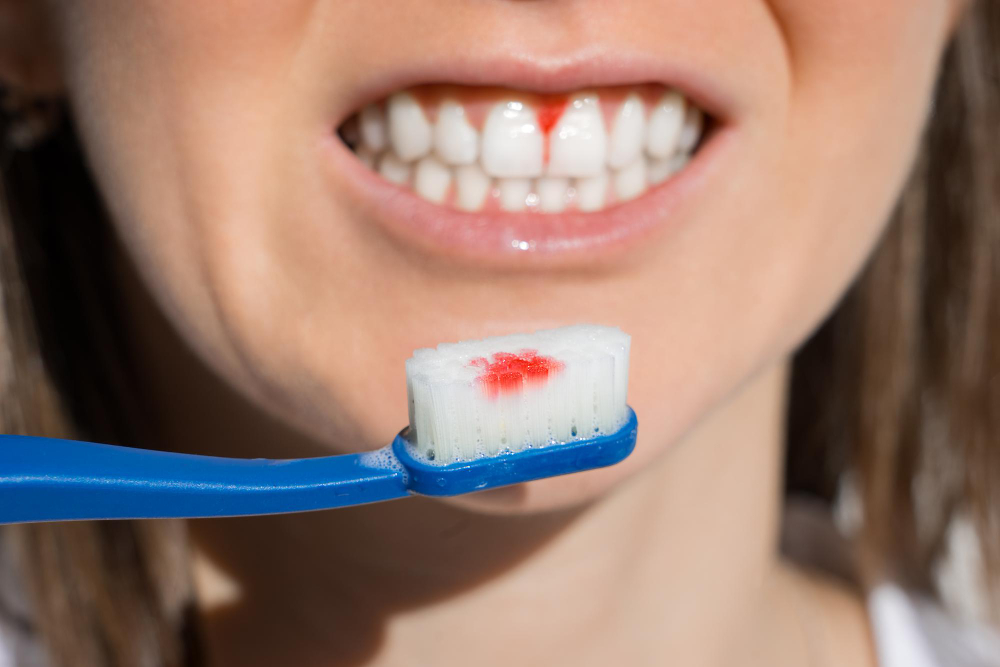
What Are Bleeding Gums While Brushing?
Many people notice bleeding gums while brushing their teeth. This means you see blood on your toothbrush or in the sink after brushing. Sometimes, you may also notice blood when you floss. Although a small amount of bleeding may seem normal, it can be a sign of gum problems. In most cases, healthy gums do not bleed during brushing. If you see blood often, it is important to pay attention to your gum health.
Common Causes of Bleeding Gums During Brushing
There are several reasons why gums may bleed when you brush. Often, the cause is simple and easy to fix. However, sometimes it can point to a bigger issue. For example, the following are common causes of bleeding gums while brushing:
Risk Factors for Bleeding Gums
Some people are more likely to have bleeding gums. For instance, certain habits and health conditions can raise your risk. Knowing these risk factors can help you protect your gum health. Common risk factors include:
Because these factors can make gums more sensitive, it is important to practice good oral care.
How to Recognize When Bleeding Gums Are a Sign of a Serious Problem
Sometimes, bleeding gums while brushing are a warning sign. For example, if you notice any of the following, your gums may need extra care:
Additionally, if bleeding happens often or gets worse, it is time to see a dentist. Early treatment can prevent more serious gum disease, also called periodontitis.
Diagnosis: What to Expect at the Dentist
When you visit the dentist for bleeding gums, the dental team will check your mouth carefully. First, they will ask about your brushing habits and health history. Then, they will look for signs of gum disease or other problems. Sometimes, the dentist may take X-rays to see bone levels around your teeth. In some cases, they may measure the space between your teeth and gums. This helps them find out how healthy your gums are. With this information, the dentist can suggest the right treatment for you.
Treatment Options for Bleeding Gums
Treatment for bleeding gums depends on the cause. For mild cases, simple changes in your routine may help. However, if gum disease is present, you may need more care. Common treatments include:
For advanced gum disease, your dentist may suggest special treatments, such as deep cleaning or gum therapy.
Preventive Tips and Oral Hygiene Guidance
Good oral care can help prevent bleeding gums while brushing. In fact, daily habits make a big difference. Try these gum health tips:
Because prevention is easier than treatment, these steps can help keep your gums healthy.
When to Seek Professional Dental Help
While mild bleeding may stop with better care, some cases need a dentist’s help. For example, you should see a dentist if:
Additionally, if you are unsure about the cause, a dental visit can give you peace of mind. Early care can prevent more serious problems and keep your smile healthy.