
What Is a Cracked Filling?
Many people have dental fillings to fix cavities. Sometimes, these fillings can crack. A cracked filling means the material in your tooth has split or broken. Because fillings protect your teeth, a crack can let in germs. This may lead to more problems. Dental filling replacement is needed if the crack is big or causes pain. Even small cracks can get worse over time. So, it is important to know what to look for and when to replace dental filling materials.
Common Causes of Cracked Fillings
Fillings can crack for many reasons. For example, chewing hard foods or grinding your teeth can put stress on them. Over time, fillings may wear down or weaken. Sometimes, temperature changes from hot or cold foods can make fillings expand and contract. This can lead to cracks. Here are common causes:
As you can see, daily habits play a big role in filling health.
Signs and Symptoms of a Cracked Filling
It is not always easy to spot a cracked filling. However, there are signs you can watch for. Early detection can help prevent bigger problems. Here are some signs of cracked filling:
For example, if you notice pain or a rough spot, it may be time to see your dentist.
Risks of Leaving a Cracked Filling Untreated
Although a cracked filling may seem minor, it can cause bigger issues. When a filling cracks, germs can enter the space between the filling and your tooth. This can lead to decay or infection. If left untreated, you may need more complex dental work. Here are some risks:
Because of these risks, it is best to address a cracked filling early.
How Dentists Diagnose a Cracked Filling
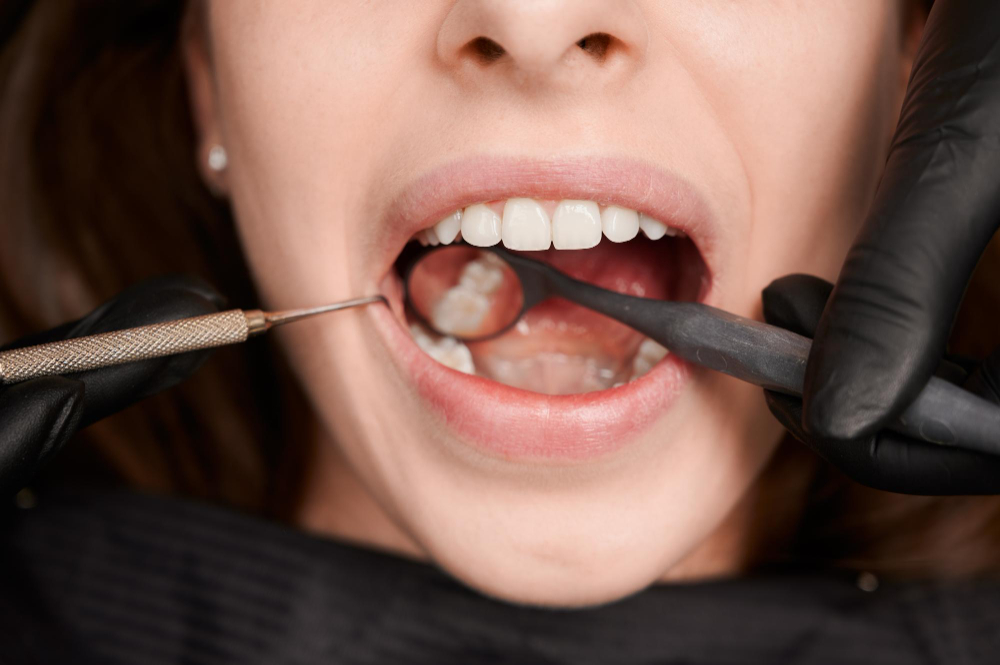
First, your dentist will ask about your symptoms. Next, they will examine your mouth. Sometimes, they use a small mirror to look for cracks. In addition, dentists may take X-rays to check for hidden damage. They might also use a special dye to highlight cracks. According to the American Dental Association, regular check-ups help catch problems early. That way, you can avoid more serious issues.
When Should a Cracked Filling Be Replaced?
Not all cracks need immediate dental filling replacement. However, you should replace a cracked filling if you have pain, sensitivity, or visible damage. If food gets stuck or you feel a rough spot, it is a sign the filling may not be working well. Dentists often recommend replacement if the crack is deep or if the filling is old. Even if you have no pain, a dentist may suggest replacing the filling to prevent future problems. When in doubt, ask your dentist about when to replace dental filling materials.
Treatment Options for Cracked Fillings
Treatment depends on the size and location of the crack. Sometimes, your dentist can repair the filling with new material. Other times, they may need to remove the old filling and place a new one. If the tooth is badly damaged, a crown may be needed. In rare cases, a root canal or tooth removal is required. Your dentist will explain the best option for your situation. Most treatments are quick and help protect your tooth from further harm.
Tips to Prevent Cracked Fillings
Although fillings can crack, you can take steps to protect them. Here are some tips to help prevent cracked fillings:
By following these steps, you can keep your fillings and teeth in good shape for years.