
What Are Dental Fillings?
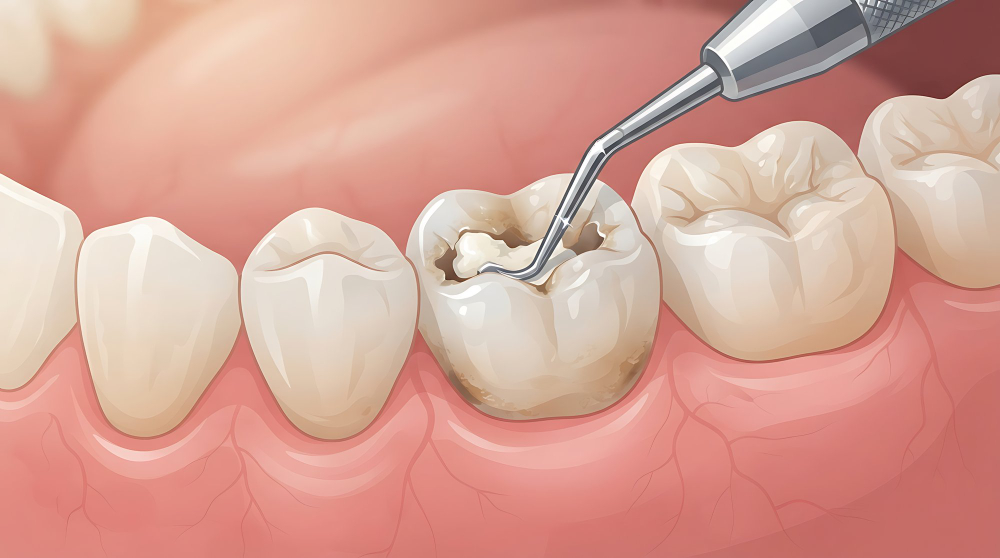
Dental fillings are materials used by dentists to repair teeth. They help fix cavities and tooth damage. When a tooth has a hole or crack, a filling restores its shape and function. In fact, dental fillings are one of the most common cavity treatment options. Dentists use them to stop pain and prevent further damage. Because fillings seal the tooth, they also help protect it from bacteria. Many people need dental fillings at some point in their lives.
Common Symptoms Indicating the Need for Dental Fillings
Sometimes, it can be hard to know if you need a dental filling. However, certain signs may point to a problem. For example, you might notice:
Because these symptoms can get worse over time, it is important to see a dentist if you notice them. Early treatment can help save your tooth.
Causes of Cavities and Tooth Damage
Cavities and tooth damage have several causes. Most often, they result from tooth decay. Tooth decay happens when bacteria in your mouth make acids that eat away at the tooth. Over time, this can create holes called cavities. In addition, eating lots of sugary foods and drinks can increase your risk. Poor brushing and flossing habits also play a big role. Sometimes, teeth get damaged from injury, grinding, or biting hard objects. According to the CDC, cavities are one of the most common health problems in both children and adults.
How Dentists Diagnose Cavities and Tooth Damage
First, dentists check your teeth during a regular exam. They look for signs of decay or damage. Next, they may use a small mirror and special tools to spot soft or rough areas. Often, dentists take X-rays to see inside the tooth. X-rays help find cavities that are not visible to the eye. Because early detection is key, regular dental visits are important. Dentists use all this information to decide if you need a dental filling or another tooth repair option.
Types of Dental Fillings: Materials and Methods
Today, there are several types of dental fillings. Each type has its own benefits. Some common filling materials include:
Because each material has pros and cons, your dentist will help you pick the best one for your needs.
The Dental Filling Procedure: Step-by-Step
Many people wonder, “How are cavities filled?” The process is simple and safe. Here is what usually happens:
Because the procedure is quick, most people can return to normal activities right away. Sometimes, you may feel numb for a few hours after treatment.
Aftercare and Recovery Tips
After getting a dental filling, caring for your tooth is important. While most fillings settle quickly, you may feel mild sensitivity. To help your tooth heal, try these tips:
Because good aftercare helps fillings last longer, follow your dentist’s advice closely.
Preventing Cavities and Tooth Damage
Preventing cavities is easier than treating them. For better oral health, try these steps:
Because these habits protect your teeth, you can lower your risk of needing dental fillings or other tooth repair options.